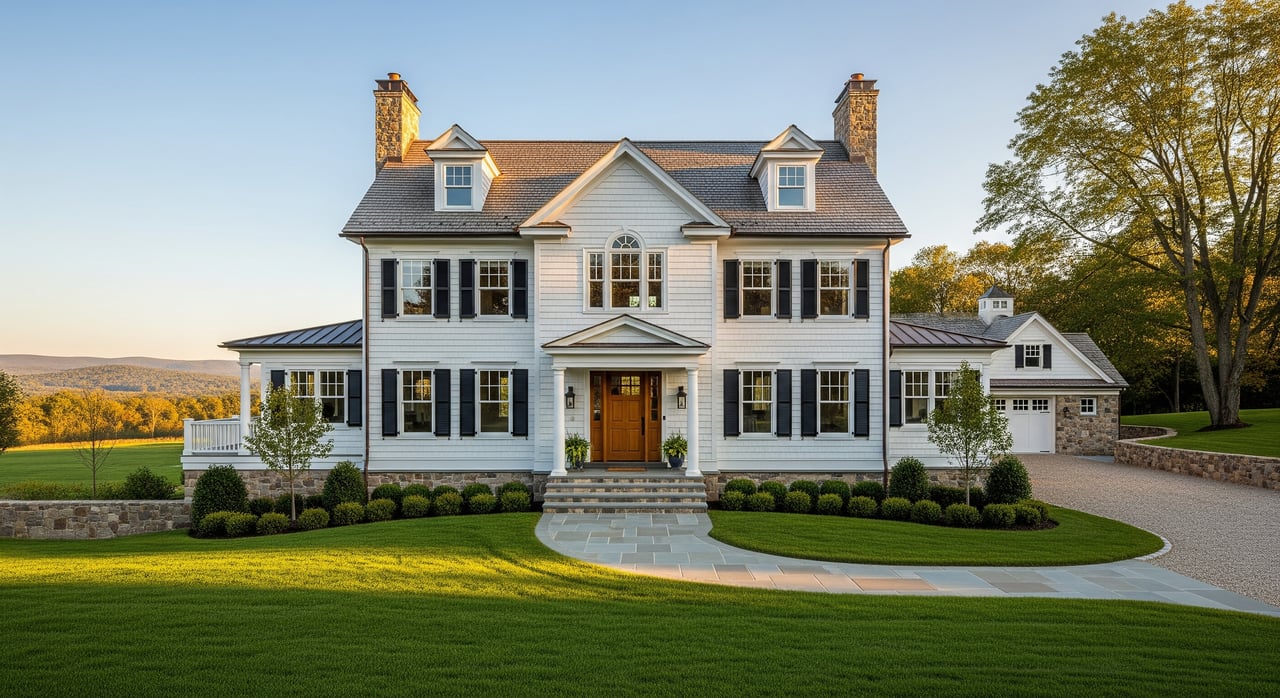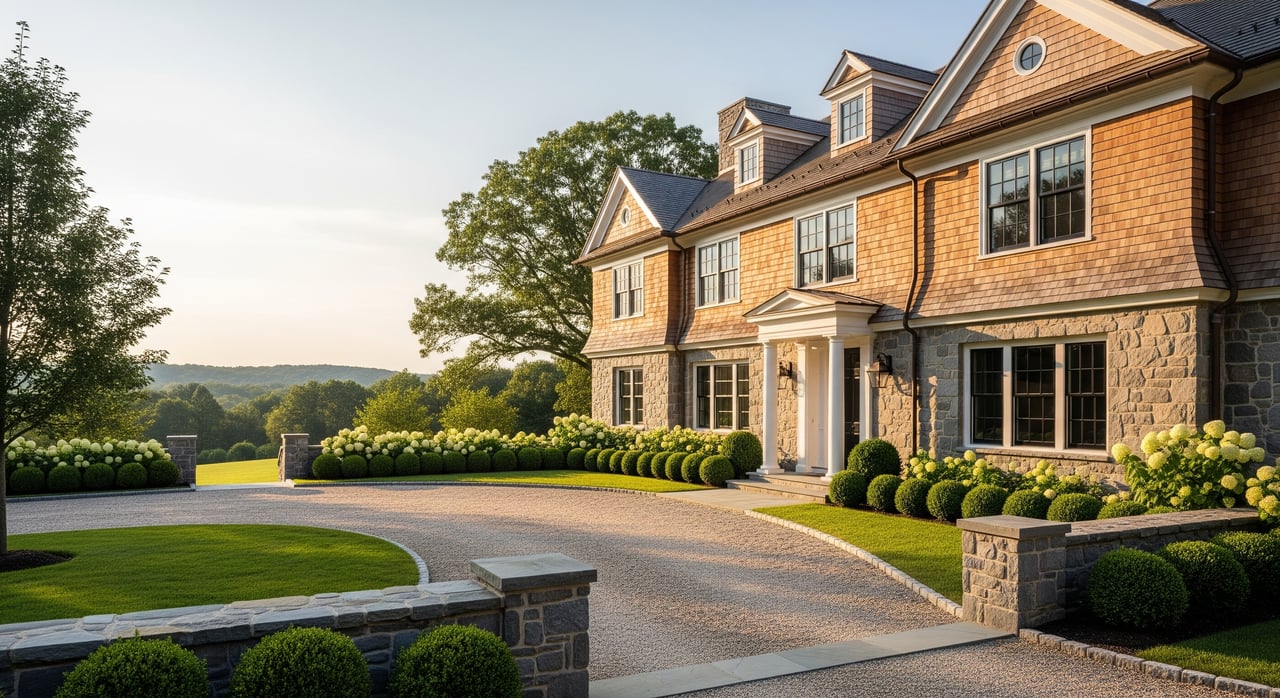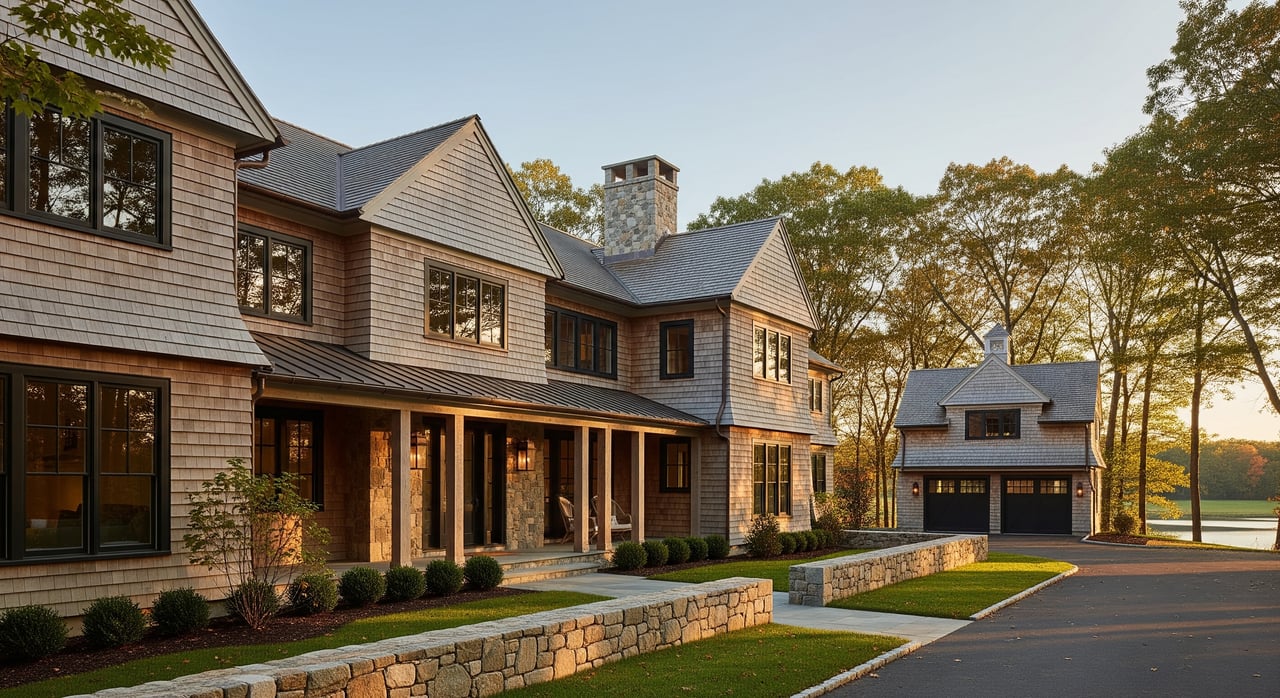
Multiple offers can appear fast in Washington and nearby Litchfield, especially on well-kept historic homes or peaceful country retreats. If you want to compete without guessing your top price on day one, an escalation clause might help. You’ll learn what an escalation clause is, how it works in Connecticut, when to use it in the 06794 market, and what to watch for with attorneys, lenders, and appraisals. You’ll also get a simple checklist to move from idea to offer with confidence. Let’s dive in.
What an escalation clause is
An escalation clause is a term in your offer that automatically raises your price above a competing bona fide offer by a set amount, up to a maximum cap. It lets you stay competitive without immediately offering your highest number. A clear clause spells out your base price, the increment, your cap, the proof you require, and which terms count when comparing offers.
Core elements to include
- Base offer price, increment, and maximum cap.
- A definition of a bona fide competing offer and what triggers the escalation.
- A proof requirement, often a redacted copy of the competing offer showing price and material terms.
- Whether the escalation applies to purchase price only or to net price after credits.
How it plays out in practice
- You submit an offer with an escalation clause.
- If a seller receives a qualifying competing offer, they can present proof per your clause.
- Your price increases by the set increment above the other offer, capped at your maximum.
- The seller can accept, counter, or run a highest-and-best round.
Alternatives you can use instead
- Submit a clean, higher price without an escalator.
- Offer your highest-and-best up front.
- Strengthen terms with a larger earnest deposit or shorter contingencies.
- Add appraisal gap language or waive certain contingencies if you accept higher risk.
Connecticut essentials for Washington buyers
In Connecticut, escalation clauses are permissible when clearly drafted and agreed to by both parties. Local custom often involves attorney review shortly after acceptance. That review may refine the clause or remove it. Plan for attorney input from the start.
Attorneys and contract review
Connecticut transactions commonly include attorney representation. Your attorney will check how your clause defines a competing offer, what proof is required, what can be redacted, and how the escalation interacts with inspection and financing contingencies. Clear drafting helps reduce disputes during review.
Lenders and appraisal realities
Appraisers base value on recent comparable sales, and lenders underwrite to the appraised value. If your escalated price goes above appraisal, you may need to bring extra cash, renegotiate, or risk a failed deal if you cannot bridge the gap. Discuss your escalation strategy with your lender in advance so you know your cash flexibility and documentation needs.
Confidentiality and proof
Sellers are often asked to provide a redacted copy of the competing offer. Redactions usually remove personal information and unrelated financial details. The proof still needs to show price and material terms that support your escalation trigger.
MLS and multiple-offer norms
Offer presentation in multiple-offer situations follows brokerage ethics and local MLS policies. Local practices in Litchfield County may vary by listing attorney preference and seller strategy. Ask your agent to confirm how the listing side is handling offers, timelines, and documentation.
Draft a strong clause
You want clarity, reasonable numbers, a clean proof process, and timelines that match the pace of local negotiations.
Key principles
- Be explicit about what counts as a competing offer and how it is verified.
- Choose an increment and a cap you can truly afford and are willing to pay.
- Require timely proof and specify acceptable redactions.
- Clarify whether the escalation applies to purchase price only or also considers credits.
- Coordinate with your lender on appraisal and cash reserves.
Components to cover
- Base price, increment, and cap.
- Clear trigger definition for a competing offer.
- Proof requirement and timeline for the seller to provide it.
- Statement on whether escalation applies to price only or net proceeds.
- How the escalated price interacts with inspection, financing, and appraisal contingencies.
Pitfalls to avoid
- Vague or missing trigger language for a competing offer.
- No requirement for seller proof, or allowing one-sided statements without documents.
- Including seller credits in a way that skews net comparisons.
- Escalating far beyond likely appraised value without a plan to cover the gap.
- Ignoring how multiple escalation clauses will be handled.
When to use one in Washington, CT
Escalation clauses can be smart tools in parts of Litchfield County, but only if they fit your budget and goals.
Good fit scenarios
- Inventory is tight and popular homes draw multiple offers.
- You want to remain competitive without revealing your maximum price right away.
- You have cash reserves or flexibility to cover an appraisal shortfall if needed.
When to skip it
- You cannot cover a potential gap between the escalated price and the appraised value.
- The seller or listing attorney prefers a highest-and-best process without escalators.
- Your loan-to-value or underwriting limits make higher prices impractical.
Local market signals to watch
- Days on market trending lower on comparable homes in Washington and nearby towns.
- List-to-sale price ratios tightening on desirable properties.
- Fewer active listings in your target price band, especially on in-demand styles like historic homes or rural retreats.
- Thin comparable sales that may increase appraisal risk on fast-rising prices.
Step-by-step buyer checklist
Use this quick guide to prepare and move decisively when a good home hits the market.
Before you write the offer
- Get a current pre-approval and ask your lender how an escalated price affects appraisal and cash-to-close.
- Decide your true maximum cap and commit to it.
- Choose a reasonable increment, often a round amount that stands out without overpaying.
- Plan to exclude seller credits from the escalated price so comparisons stay clean.
- Ask your agent how escalation clauses are being received by sellers and attorneys in Washington and Litchfield County.
- Have your attorney review draft language before you submit.
Build the clause
- State your base price, increment, and maximum cap.
- Define a bona fide written competing offer and what terms must match.
- Require a redacted copy showing price and material terms as proof.
- Set timelines for proof delivery and how long the escalator remains effective.
- Clarify how the escalated price affects inspection, financing, and appraisal terms.
Day-of-offer communication
- Present a clean, professionally drafted clause with your offer packet.
- Have your agent confirm the listing side’s submission process and deadlines.
- Ask your agent to document any seller representations related to competing offers.
How sellers may respond
Knowing the likely responses can help you decide your strategy and next move.
Common seller reactions
- Accept your offer with escalation if it delivers the best net result.
- Counter to remove the escalation clause and request a clean higher price.
- Ask for clarifications or proof changes during attorney review.
- Run a highest-and-best process when multiple escalation clauses are in play.
Proof and privacy
- Sellers often provide a redacted copy of the competing offer showing price and material terms.
- Some may offer a sworn statement, although buyers and attorneys typically prefer document proof to trigger the clause.
Putting it all together
In Washington and greater Litchfield County, the right escalation clause can keep you competitive without guessing at your top price. Success hinges on clear drafting, realistic numbers, lender and appraisal planning, and smooth coordination with your agent and attorney. If you keep proof, timelines, and contingencies straightforward, you can compete confidently and still protect your interests.
Ready to weigh if an escalation clause fits your goals in 06794 or a nearby town? Reach out to Todd P. Sargent for local guidance, offer strategy, and hands-on representation tailored to Washington and Litchfield County.
FAQs
Are escalation clauses enforceable in Connecticut?
- Yes when clearly drafted and agreed by both parties, but attorney review often refines terms and enforceability depends on proper triggers and state contract law.
Will my lender fund an escalated price above appraisal?
- Lenders underwrite to the appraised value, so you may need extra cash or a renegotiation if the escalated price exceeds appraisal.
Can a seller refuse to show a competing offer in Washington, CT?
- They can refuse, but if your clause requires proof, lack of documentation may prevent the escalation from triggering; redacted copies are a common solution.
Does an escalation clause change my earnest money deposit?
- Not unless your contract says it does; you can keep deposit terms fixed or choose to increase them with price.
What happens if multiple buyers use escalation clauses on the same home?
- Sellers and attorneys compare caps and net proceeds, may request clarifications, or run a highest-and-best round to determine the strongest offer.