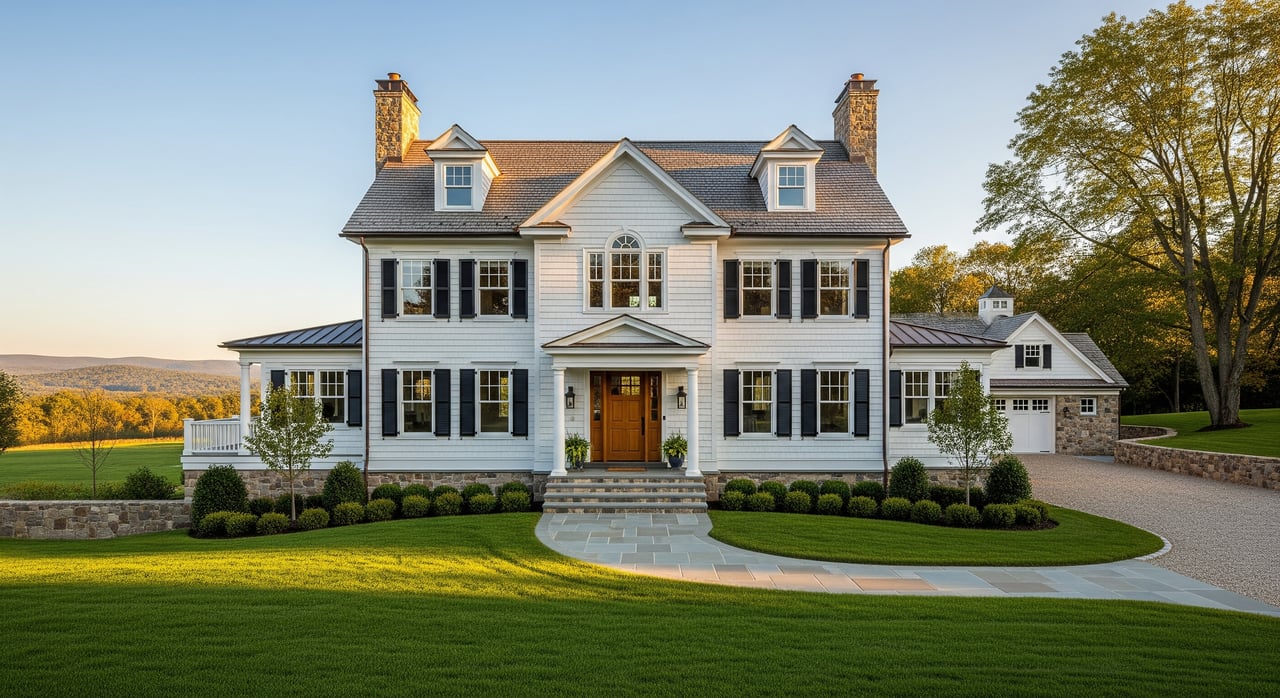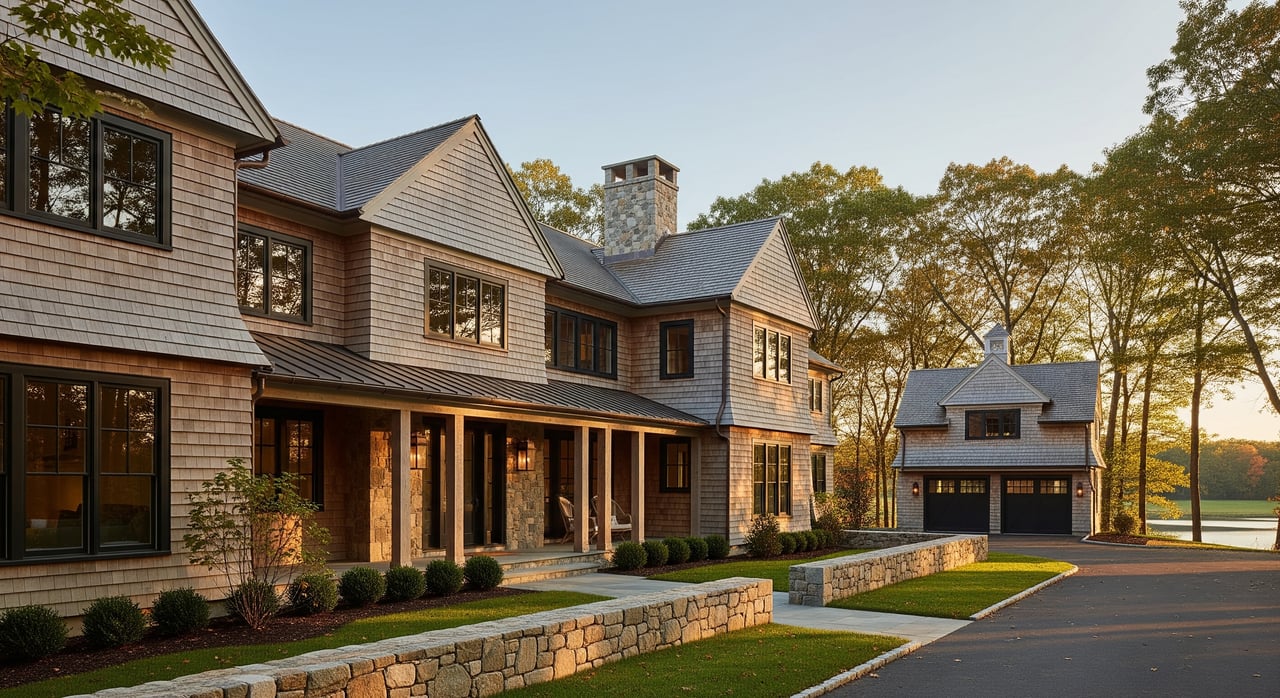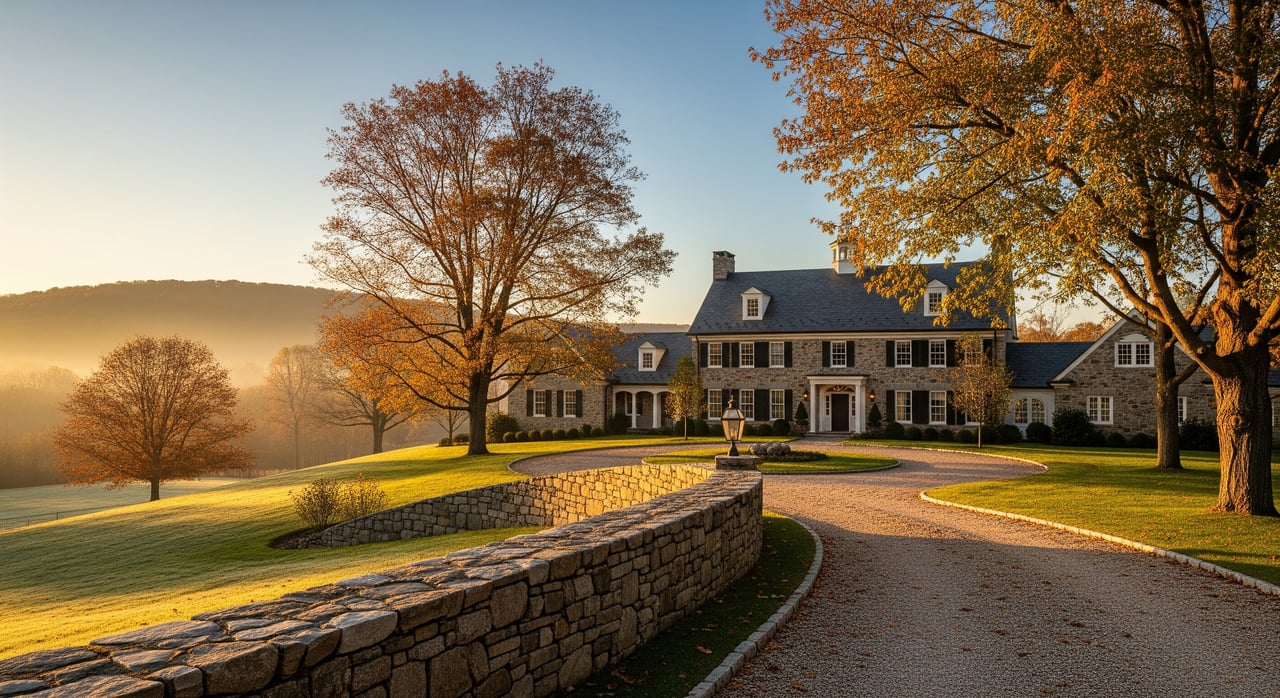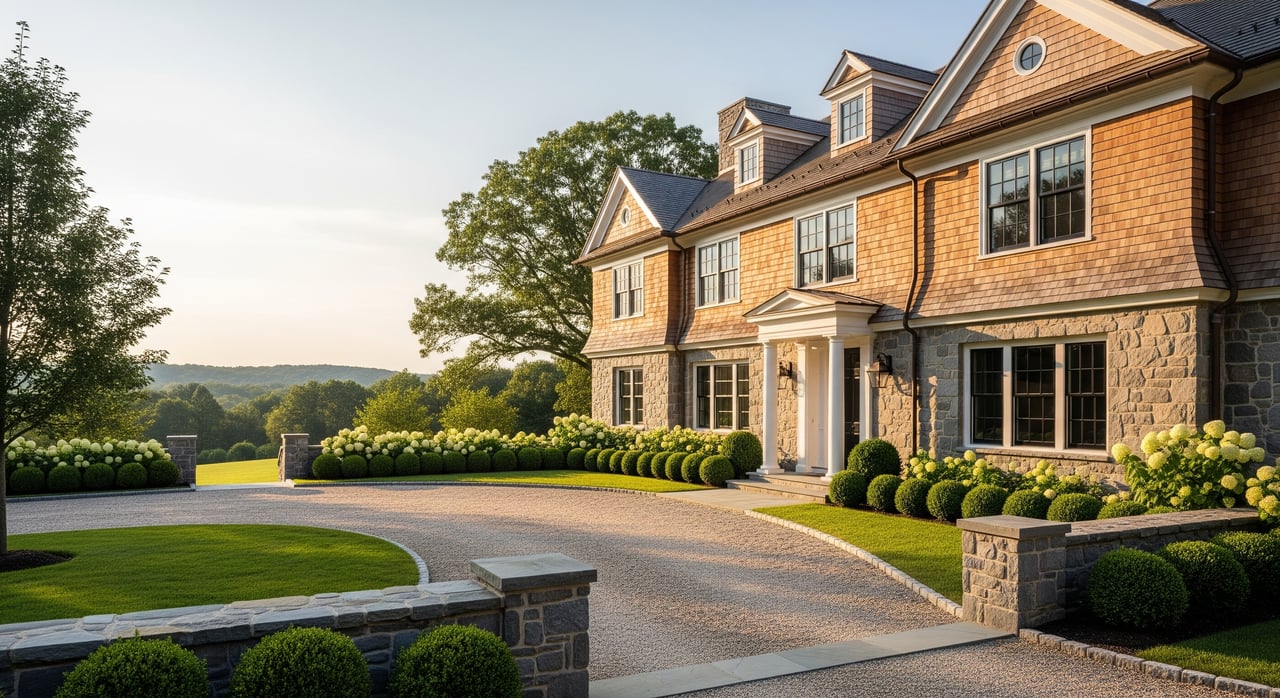
Is your Roxbury home hard to price because it is unlike anything else on the market? You are not alone. In a small Litchfield County town with large lots, historic charm, and few recent sales, a single listing can shift the numbers. The good news is you can still price with confidence. You just need a method built for Roxbury’s low-volume, rural market and a plan that supports your price from day one. Let’s dive in.
Why Roxbury pricing is different
Low volume and unique homes
Roxbury has fewer sales than larger suburbs, and many properties are one of a kind. That means short-term stats can be noisy. You should lean on recent, truly comparable sales and use a wider time window if needed, then adjust carefully.
Buyer pool and demand drivers
Buyers often seek rural space, character homes, and special features. Acreage, barns, guest cottages, pools, and equestrian potential can change value. Demand also shifts with available inventory of larger-lot homes, so timing matters.
Wells, septic, and restrictions
Many properties rely on private wells and septic systems. System age and condition affect buyer confidence and financing options. Deed restrictions, conservation easements, and historic designations can also shape value and must be documented and disclosed.
Seasonal and showing realities
Winter can bring slower showing activity, and rural homes may need extra prep in any season. Make access easy and curb appeal clear, and use visuals that help buyers understand land and approach.
Build a rock-solid price
Start with a local CMA
A Comparative Market Analysis built for Roxbury is your foundation. Use this sequence:
- Pull Roxbury solds from the last 12 months. If there are not enough, extend to 12–24 months and adjust for the older timing.
- Add current actives and pendings to understand the competition buyers see right now.
- If direct Roxbury comps are limited, expand carefully to nearby towns with similar stock, such as Washington, Bridgewater, New Milford, Woodbury, and Sherman. Label these comps clearly.
- Match the big drivers first: lot size or acreage, beds and baths, major outbuildings or guest spaces, and overall condition or updates.
- Create a price range (low, likely, high) and choose a list price that fits your goals for speed and net proceeds.
- Document every adjustment so buyers, appraisers, and lenders see the logic.
Choose comparables wisely
Square footage helps, but older floor plans and unique layouts can mislead. Focus on acreage, usable land, improvements, and condition. With one-off features, you may need more than one comp set to triangulate value.
Handle special features
- Acreage: Value per acre depends on what buyers in Roxbury typically prioritize. Very large parcels often have diminishing per-acre value beyond a certain size.
- Outbuildings and improvements: Barns, arenas, guest houses, pools, and new systems can command a premium when there is comparable evidence. Without comps, value them conservatively and support with documentation.
- Septic and well: A failing or undersized system narrows the buyer pool. Inspection results and estimates help quantify the impact and keep deals on track.
- Conservation or historic factors: These can limit future changes or uses. Transparency is key to pricing and negotiation.
Be careful with price per square foot
Price per square foot can be a quick reference, but it is often unreliable for rural or historic homes with mixed finishes and large lots. Use it only after ranking comps by acreage and major amenities.
Pick your pricing strategy
Competitive pricing
Price at estimated market value to draw the broadest buyer pool, support appraisal, and reduce time on market. This is a solid default in a low-volume town.
Slight underpricing
A small underprice can spark strong interest and faster offers. It can work if you have clear evidence of demand. The tradeoff is the risk of leaving money on the table if interest does not convert to a competitive bid.
Pricing high
A high list can limit showings and weaken your position after reductions. If you aim for a stretch price, be prepared for longer days on market and appraisal scrutiny. Align your marketing to target niche buyers.
Use search-friendly price points
List just under key MLS and portal search bands, like just below round-number thresholds, so your home shows up in more searches without straying from market value.
Prep to support your price
Gather the right documents
- Deed and any recent surveys
- Septic and well records, service logs, and permits
- Renovation records and permits
- Disclosures on restrictions or easements
Having these ready builds trust with buyers and appraisers and speeds negotiations.
Consider pre-listing inspections
A general home inspection and a septic evaluation can surface issues that derail deals. If repairs are needed, get contractor estimates. You can choose to fix key items or sell as-is while showing buyers clear numbers.
Stage and show the land
- Use professional photography and drone images to highlight acreage, approach, and setting.
- Include parcel maps and boundary visuals in your marketing.
- Declutter and complete targeted repairs to support your price rather than overpricing to compensate for condition.
Launch, monitor, and adjust
Watch early signals
The first two to four weeks reveal whether your price and marketing are in sync. Track showings, online saves, and feedback. In a small market, you may need a bit more time, but review weekly.
When to change course
If showings are low after an initial exposure period, revisit your pricing and visuals. Meaningful price adjustments work better than repeated small cuts. If showings are healthy but offers are not coming, adjust price or terms.
Prepare for appraisal
Appraisers will face the same limited comps. Share a package that includes your CMA, lists of improvements with dates and permits, and any supporting data for special features. This helps the appraisal reflect your home’s real market position.
Common pitfalls to avoid
- Overreliance on automated estimates in a rural, low-volume market
- Using distant or mismatched comps without clear, documented adjustments
- Skipping septic or well due diligence
- Overpricing to leave “room to negotiate,” which can push you outside key search bands
- Launching without high-quality photos, drone images, or parcel maps
How Todd helps Roxbury sellers
You deserve pricing advice and marketing built for Roxbury’s unique mix of rural and historic homes. Todd P. Sargent delivers a hands-on plan that combines local expertise with national reach:
- Evidence-based pricing: A rigorous CMA using Roxbury and nearby comps, documented adjustments, and strategy aligned to your goals.
- Curated marketing: Professional photography, drone imagery, staging guidance, and multi-channel exposure through Coldwell Banker distribution. Your acreage and improvements are showcased the right way.
- Full transaction management: Clear timelines, feedback loops, and negotiation strategy. Todd assembles the documentation appraisers need and coordinates with local attorneys and inspectors.
- Trusted leadership: Longstanding local involvement and recognized production provide the credibility buyers and cooperating agents trust.
When you combine a disciplined price with polished presentation, you reduce days on market and protect your net. If you want a pricing plan tailored to your Roxbury property, reach out to Todd P. Sargent to get your free home valuation and personalized market plan.
FAQs
How should I price a unique Roxbury home with few comps?
- Start with a Roxbury-first CMA, expand to nearby towns when needed, adjust for acreage and special features, and document every adjustment. Consider input from a local appraiser.
Should I fix issues or sell as-is in Roxbury?
- Address safety and major systems like roof, septic, or well. For cosmetic or high-cost items, get estimates and decide whether to repair or sell as-is based on likely price impact.
Do professional photos and drone shots really matter for acreage?
- Yes. High-quality photos, aerial images, and parcel maps help buyers visualize land, access, and setting, which supports stronger offers.
How much negotiating room should I build into my list price?
- Base this on your goals. For speed, price competitively. To maximize price, list at or slightly above market and expect more time on market and potential appraisal pushback.
How do septic and well systems affect value and financing?
- Older or substandard systems reduce buyer confidence and lender options. Provide recent inspections or estimates to keep deals moving and help buyers understand costs.
How often should I adjust the price if the home is not selling?
- Review activity weekly. If interest is light after 2 to 4 weeks, make a meaningful adjustment or change marketing rather than multiple small cuts.