Thinking about a quieter pace with big outdoor access and a welcoming village feel? Kent, CT offers small‑town living set among waterfalls, wooded hills, and the Housatonic River. Whether you plan to buy, sell, or spend weekends here, you want clear, practical insight on homes, services, and daily life. This guide gives you a grounded look at housing, utilities, recreation, schools, and the must‑know steps before you purchase. Let’s dive in.
Kent at a glance
Kent is a rural New England town in northwestern Connecticut with a historic village center, scenic landscapes, and a mix of year‑round and seasonal residents. You’ll find single‑family homes on country roads, cottages tucked into the woods, and properties with acreage that offer privacy and nature at your doorstep. Many residents work remotely or commute to nearby towns, while others come for weekends to hike, fish, and recharge.
Seasonality is part of life here. Summer and fall bring visitors for hiking and leaf peeping, and the real estate market often sees more activity in spring and summer. Daily living feels down‑to‑earth and community‑oriented, with independent shops, galleries, and casual dining along Main Street.
Quick answers for movers
- Housing: Primarily single‑family homes, cottages, and rural properties; some older homes and a small number of multi‑family structures.
- Utilities: Many properties use private wells and septic systems; heating is often oil or propane in older homes.
- Internet: Service varies by road; confirm address‑level availability if you work remotely.
- Schools: Kent’s public school system serves local students, with regional arrangements for certain grades; private and boarding school options exist in town and nearby.
- Health care: Residents use clinics and hospitals in nearby towns; emergency services include local police, volunteer fire, and ambulance.
- Commuting: Many people drive to regional hubs in Litchfield County or to rail connections for New York City; plan routes and timing in advance.
- Shopping: Independent shops downtown; for larger grocery or specialty items, residents often travel to bigger neighboring towns.
Neighborhoods and housing
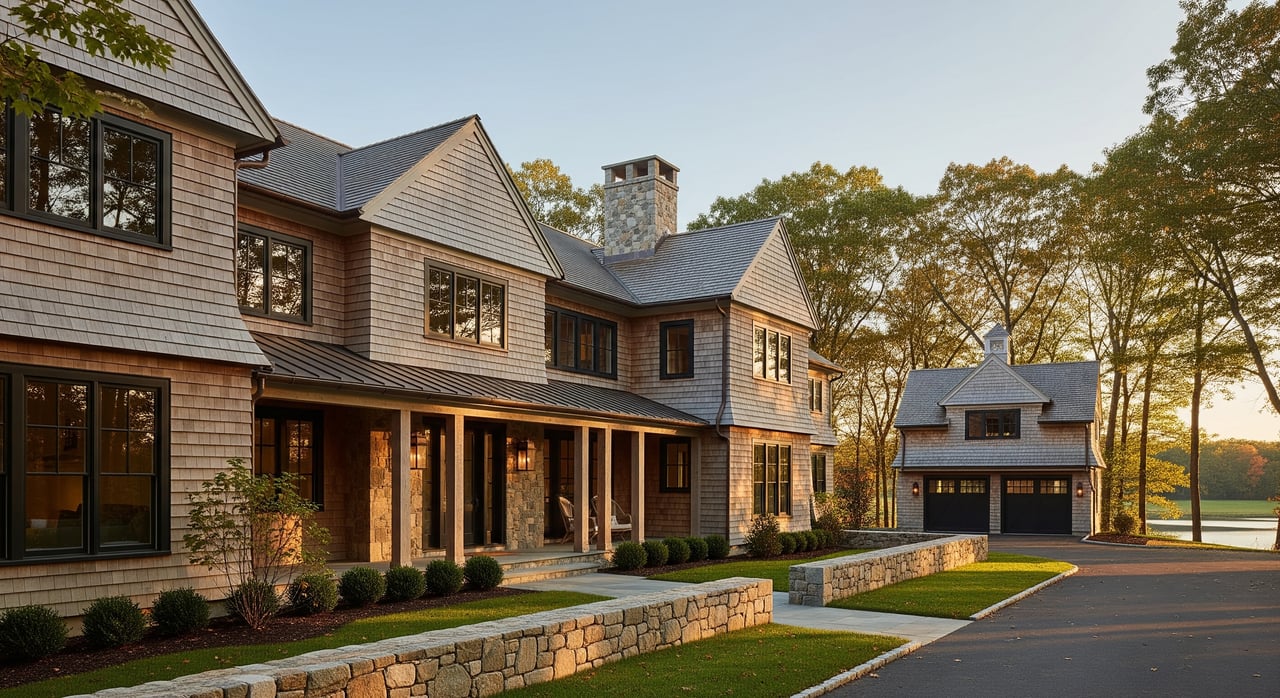
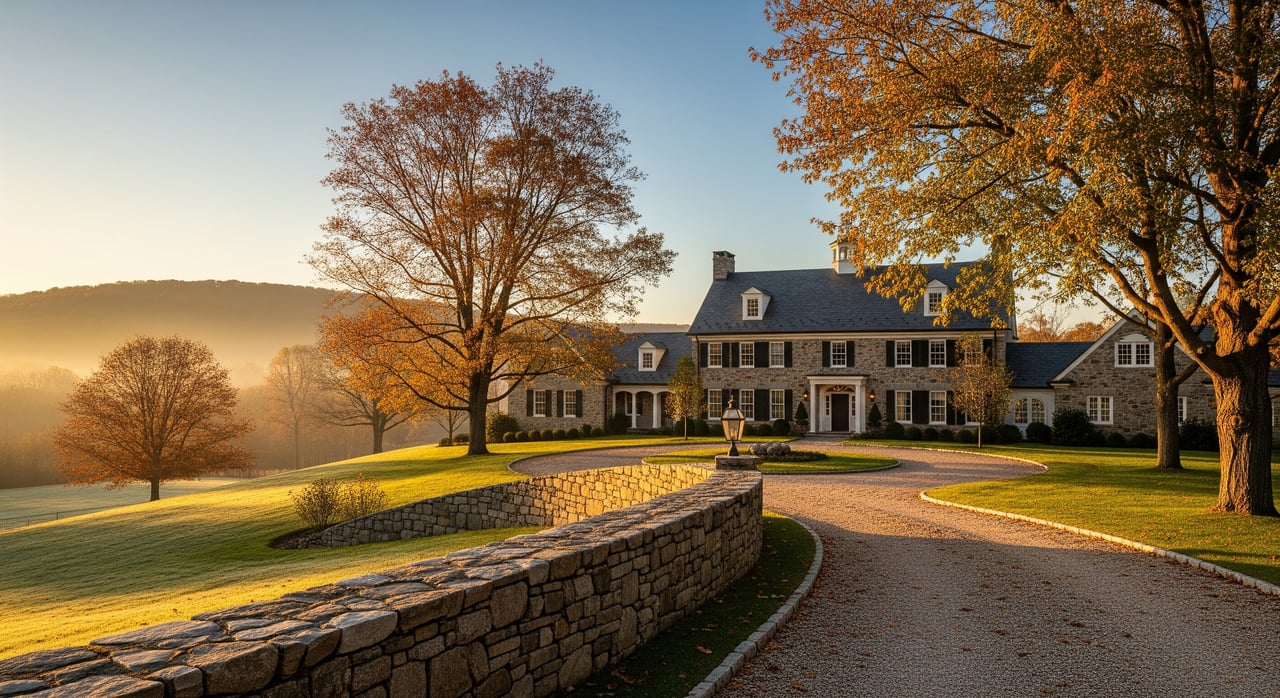
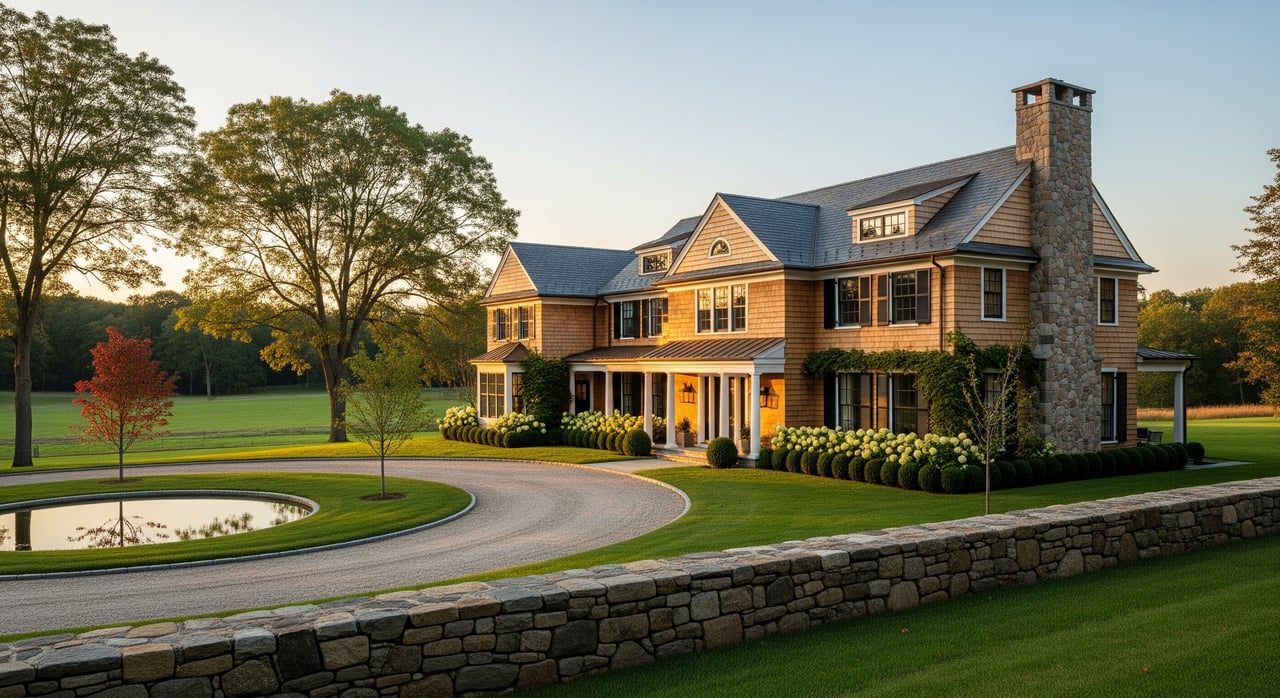
Kent doesn’t have hard neighborhood boundaries like a city. Instead, life centers on the village and outlying rural sections such as South Kent and areas along the Housatonic River valley. The downtown corridor features walkable shops, galleries, and eateries. Out on the country roads, you’ll see classic New England homes, contemporary builds, and properties with fields, woods, or stream frontage.
Homes in Kent often come with private wells and septic systems. Plan for thorough inspections and regular maintenance, and build realistic timelines into your contract if upgrades are needed. If you are looking near the river or streams, review flood risk carefully and confirm what your lender and insurer will require.
Older homes can include oil‑fired heating and older windows or insulation. Energy updates like air sealing, insulation, and high‑efficiency systems are common value‑adds for buyers and sellers. If you are considering a historic property or a home near a designated area, ask about any local historic‑district guidelines that could influence exterior changes.
Buyer tips for Kent
- Schedule a full septic inspection, including tank and leaching field, and budget for potential updates.
- Order comprehensive well‑water testing for coliform, nitrates, and other recommended parameters.
- Ask for documented service history on heating systems and chimneys; evaluate energy‑efficiency improvements.
- Review FEMA flood maps for any property near waterways and confirm insurance implications.
- Confirm broadband providers at the address and test cell coverage if remote work is essential.
- Check for conservation easements, shared driveways, or covenants that affect use.
Seller notes for best results
- Consider pre‑listing septic and well testing to reduce surprises and speed up closing.
- Showcase outdoor assets such as trails, stone walls, gardens, and proximity to parks in your marketing.
- Time your listing to align with peak seasonal activity when possible.
- Present a clear maintenance record and highlight upgrades that improve energy efficiency.
Schools and childcare
Kent students attend local public schools, and small towns in the area commonly use regional arrangements for certain grades. Private education is part of the local landscape, including a longstanding independent boarding school in town and additional options in nearby communities. Keep in mind that rural towns often have limited childcare slots, so early planning and waitlists are common.
When comparing options, focus on commute logistics, program offerings, and the fit for your student. For the most current information, review the relevant district and school websites, including calendars, policies, and enrollment steps.
Health care, safety, and services
In a rural town, you will rely on a mix of local and regional providers. Many residents use primary care, urgent care, and specialists in nearby towns, along with regional hospitals for more advanced care. Emergency services include town police, volunteer fire, and ambulance, often coordinated with mutual aid from neighboring communities.
Kent offers essential municipal services, including public works, a public library, post office, and community programming. Confirm hours and seasonal schedules, especially during holidays or winter weather.
Utility providers vary by location. Electric service is delivered by a regional utility. Fuel deliveries for oil or propane are common in colder months. For internet, service types can range from cable to fiber or fixed wireless depending on the road. Verify service and speeds at your address before you commit to a home purchase.
Outdoor life and recreation
If you love the outdoors, Kent is hard to beat. Kent Falls State Park is a signature destination with cascading waterfalls and an easy, family‑friendly trail. Macedonia Brook State Park offers longer hikes, wooded terrain, and scenic ridgelines for more experienced hikers. The Housatonic River provides paddling and fishing access at various points, with seasonal flows and conditions to consider.
You are close to major trail networks, including segments that connect to the Appalachian Trail corridor in the wider region. Seasonal activities include hiking, mountain biking on designated trails, cross‑country skiing, and birdwatching. Expect peak traffic during summer weekends and fall foliage; arrive early to parks, observe posted parking rules, and check trail advisories before you go.
Culture, dining, and local shopping
Kent’s village center blends small‑town convenience with creative energy. You can browse independent bookstores and galleries, find artisan goods and antiques, and enjoy cafés or inns that serve regional ingredients. Community life includes events organized by local institutions such as the library, historical society, and arts groups, plus farmers markets and seasonal fairs.
Daily essentials are available in town, but for large grocery runs, big‑box stores, or specialty medical and retail services, residents commonly head to larger nearby towns. Many businesses adjust hours seasonally, so checking schedules in advance is a good habit.
Costs, taxes, and permits
Property taxes in Connecticut are based on each town’s assessed values and mill rate. To understand your tax picture for a specific property, review the assessment on file with the town and apply the current mill rate. If you are comparing homes across different towns, note that rates and assessments vary.
Heating and utility costs depend on home size, insulation, and system type. Older homes using oil or propane can benefit from energy upgrades that improve comfort and long‑term costs. Ask local fuel providers and licensed HVAC contractors for current pricing and efficiency recommendations.
Zoning and land‑use regulations shape what you can do on your property. Before purchasing, review rules for accessory dwellings, lot coverage, home businesses, and any local guidelines for historic districts. Short‑term rental policies continue to evolve in many Connecticut towns, so confirm current requirements if you plan to rent a home for stays.
Wetlands, conservation restrictions, and flood zones can affect building or renovation plans. If your property includes regulated areas, you may need approvals from local inland‑wetlands or building officials. Always check FEMA flood maps when evaluating riverfront or low‑lying parcels.
Getting around and regional access
Many Kent residents drive to work in nearby Litchfield County communities or connect to rail lines for New York City trips. School schedules, winter weather, and two‑lane roads are part of the calculus, so plan timing with a realistic buffer.
For air travel, you will use a mix of regional and major airports in Connecticut and nearby states. Driving times vary by route and day, so map your trip during the hours you expect to travel for the most accurate picture.
Before you buy in Kent: a checklist
- Septic: Order a full inspection, review capacity and age, and plan for future maintenance.
- Well: Test water quality and flow; confirm treatment systems if installed.
- Flood risk: Check FEMA flood maps and ask about historical flooding or insurance needs.
- Energy systems: Confirm heating fuel, service history, and insulation; evaluate upgrade options.
- Internet: Verify provider, speed tier, data caps, and installation timeline.
- Property use: Review zoning, any conservation restrictions, and driveway or access agreements.
- Taxes: Look up assessed value and apply the current mill rate for a personalized estimate.
Ready to explore Kent?
If you want a rural lifestyle with genuine community and standout outdoor access, Kent is worth a closer look. You can lean on a local advisor who blends data‑driven pricing, refined marketing, and hands‑on coordination to help you buy or sell with confidence. Todd P. Sargent pairs hyperlocal insight with the reach of a national brokerage to position your home or offer the right way.
Considering a move or a sale in Kent or a nearby town? Get your free home valuation and personalized market plan.
FAQs
How does the Kent, CT lifestyle compare to nearby towns?
- Kent offers a quieter, rural feel with major state parks and a small, arts‑minded village center; many residents pair weekend recreation with remote or regional work.
What types of homes are common in Kent?
- Most inventory is single‑family, including historic New England houses, cottages, and rural properties with acreage, plus a small number of multi‑family structures.
What should buyers know about wells and septic in Kent?
- Many homes use private wells and septic systems; plan for thorough inspections, water testing, and regular maintenance as part of your due diligence.
Are there flood risks for riverfront properties in Kent?
- Properties near the Housatonic River or streams may lie in FEMA‑designated flood zones; always check flood maps and insurance requirements before you buy.
Which public schools serve Kent students?
- Kent students attend local public schools, and the town participates in regional arrangements for certain grades; review official district resources for current details.
Where do Kent residents go for health care?
- Primary care, urgent care, and hospital services are typically used in nearby towns, with regional hospitals handling more advanced needs.
How seasonal is the Kent real estate market?
- Activity often increases in spring and summer, influenced by second‑home interest and outdoor season, though individual property readiness and pricing still drive results.
Is short‑term renting allowed in Kent?
- Policies vary by town and change over time; check current local ordinances and permit requirements before planning short‑term rental use.