Thinking about moving to the lake in New Fairfield? Candlewood Lake is a special lifestyle, but it also comes with a seasonal rhythm called a “drawdown.” If you have a dock, plan waterside deliveries, or want barge access for a project, the water level matters. This guide explains what drawdown is, how it affects daily life and property planning, and the steps you should take before you schedule work or purchases. Let’s dive in.
Drawdown on Candlewood Lake
Drawdown is a planned lowering of the lake level, usually in late fall and winter with a refill in spring. You’ll see more shoreline and a lower water surface for a period of weeks or months. It’s a standard practice on reservoirs in northern climates.
The main goals are straightforward. Operators lower water to allow dam and spillway inspections, manage flood risk, protect docks and shoreline from winter ice, and support aquatic vegetation management or shoreline projects. The lake operator coordinates timing with local lake authorities and environmental agencies.
In New Fairfield, town departments and Connecticut state agencies are stakeholders for safety and permitting. They do not generally control the lake level, but they do set rules for any work in or near the water.
When it happens each year
Expect a fall drawdown, a winter low period, and spring refill. The exact dates and depth change vary year to year. Weather, rainfall, operational needs, and regulatory actions all influence the schedule.
The key takeaway is simple. Do not assume fixed dates or a set number of feet. Always confirm the current year’s plan before you set a contractor date, order materials, or plan lake access.
Daily life effects to expect
Shoreline access and appearance
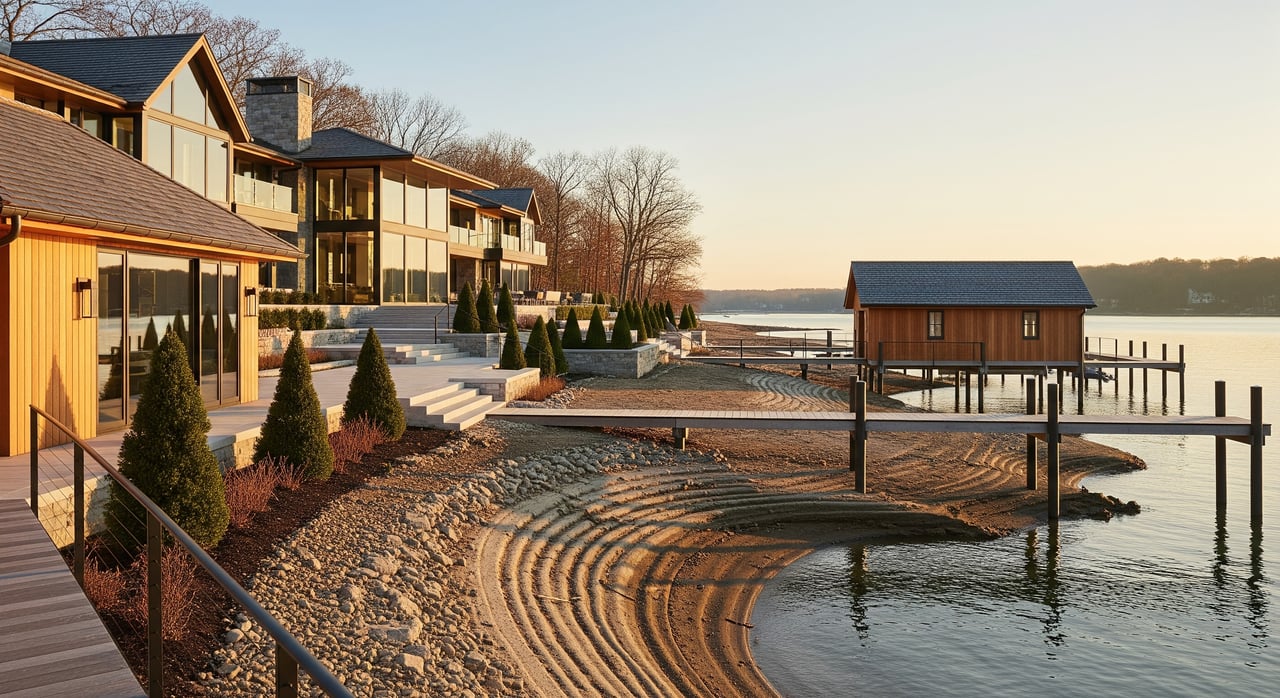
As water recedes, beaches widen and the lakebed can be exposed. Surfaces may be muddy or uneven. Stairs and access points that work at summer levels might not reach the water in winter.
This change is normal and temporary. If you’re new to lake living, plan for the look of exposed littoral zones during low water and expect a return to typical conditions after refill.
Docks, lifts, and floats
Floating docks and lifts may rest on the lakebed or sit higher above the water as levels drop. You may need to remove, secure, or adjust equipment before winter. Contractors often time installation or repairs during predictable low-water windows.
Do not rely on past years for dates. Confirm the expected drawdown timing for the current season and book experienced waterfront contractors early. Ask about manufacturer recommendations for winterizing your specific lift or float system.
Boat navigation and moorings
Lower water exposes rocks, stumps, and shoals. Buoys and markers can be moved or sit out of position while levels change. Moorings that were safe at summer depth may be too shallow at low water.
Operate at safe speeds, use updated local markers, and review your mooring setup with a pro if you are unsure. Reconfigure as needed to maintain safe clearance.
Deliveries and barge access
Barges need sufficient draft. During drawdown, some properties become unreachable by water for heavy items like lifts or large docks. Shoreline offloading may be unsafe or impractical when the lakebed is soft.
If water access is limited, plan land delivery. Check driveway load limits, staging areas, and town rules on where equipment can go. Confirm which access path your contractor expects to use.
Safety during drawdown
Ice can form after levels change, which leads to thin or unstable edges near banks and around structures. Treat early and late-season ice with extreme caution.
On exposed shoreline, watch for slips and trip hazards. Mud, ruts, and drop-offs are common. Wear appropriate footwear and keep children and pets away from unstable areas.
When boating in low water, the risk of grounding rises. Navigate conservatively in unfamiliar zones. Mark or avoid near-surface structures like pilings, cables, and concrete that become hazards as levels fall.
Keep local emergency contacts handy. Some launch points and response locations can change as water levels shift.
Permits and approvals
Shoreline work often requires permits even during drawdown. Connecticut’s environmental agency typically requires permits or notifications for permanent or semi-permanent structures, dredging, bulkheads, and other work below the waterline or within wetlands and watercourses.
For larger projects that place fill or alter navigable waters or wetlands, federal permits may apply. Many residential dock projects avoid federal involvement, but you should still confirm early in planning.
In New Fairfield, town land use, zoning, and inland wetlands commissions regulate work that affects the shore or nearby watercourses. The harbormaster or related committees may have rules for moorings, boat launches, and navigation. Always check with the town before you set a date.
Permit reviews take time. Some approvals can take weeks to months depending on complexity. Start early, and never assume you can begin work right before a drawdown window. Work without required permits can face stop-work orders, fines, and remediation.
Who to contact for current status
You have several reliable points of contact. Start with the coordinating lake authority for Candlewood Lake for public notices and drawdown announcements. The dam or hydropower operator posts operational notices and maintenance schedules. Connecticut’s environmental agency provides permitting guidance and advisories.
Locally, call New Fairfield’s land use, inland wetlands, harbormaster, and public works offices for rules, mooring permits, ramp status, and town approvals. Secondary sources like marinas, dock companies, and homeowner or lake associations also track levels and can offer practical scheduling advice.
When you call or check a notice, ask:
- Is the current level part of a scheduled drawdown? What are the expected start and end windows and the estimated depth change?
- Are any short-term releases or maintenance events planned that could change levels with little notice?
- Is there an email list or calendar for drawdown and dam operations?
- Are there any local no-work windows or boating restrictions you should plan around?
Newcomer checklist
Use this quick plan before you book anything:
- Verify the current year’s drawdown schedule with the lake authority and the dam operator.
- Contact New Fairfield land use, inland wetlands, and the harbormaster to confirm local permits and mooring rules.
- Determine if state or federal permits apply to your project, especially for dredging, bulkheads, new docks, or fill.
- Apply for all permits well in advance of the anticipated low-water window.
- Hire contractors experienced with Candlewood Lake or similar drawdown conditions. Confirm they will coordinate timing with authorities.
- Decide on delivery method. If barge access may be blocked by low water, plan for land delivery and verify truck access and staging.
- Mark property lines and easements and confirm you have rights to complete the proposed work.
- Verify contractor insurance and references. Clarify who handles permit filings and inspections.
- Winterize floating docks and lifts per professional guidance. Plan for re-adjustments after spring refill.
Timing tips for buyers and sellers
If you are buying during fall or winter, ask to see the shoreline during the low period. You can learn a lot about lakebed slope, access points, and dock setup needs. If you plan a spring or summer closing, request recent winter photos for context.
If you are selling, plan messaging and photography thoughtfully. Buyers appreciate knowing that exposed shoreline is routine and temporary. Clear notes about dock maintenance, permits on file, and recent contractor work build confidence.
For both buyers and sellers, line up timelines early. Permit lead times, contractor availability, and seasonal access can affect your plans and budget.
Work with a local advisor
A waterfront home is both a lifestyle and a project. You benefit from an agent who understands Candlewood Lake’s seasonal patterns, New Fairfield’s permitting process, and the practical logistics of docks, moorings, and deliveries. With a hands-on, data-driven approach and local relationships, you can plan improvements, time your listing, or schedule your move with fewer surprises.
If you are considering a purchase or listing along Candlewood Lake, reach out to discuss your goals and timeline. You will get straightforward guidance on market trends, prep, and the steps that protect your investment through the drawdown season.
Ready to buy or sell on Candlewood Lake in New Fairfield? Connect with Unknown Company to get your free home valuation and personalized market plan.
FAQs
What is lake drawdown on Candlewood Lake?
- It is a planned lowering of the lake level, typically in fall and winter, to support dam maintenance, flood control, shoreline protection from ice, and access for certain projects.
How does drawdown affect a New Fairfield dock?
- Floating docks and lifts can sit on exposed lakebed or end up far from the water if not adjusted or removed. Plan to winterize and confirm the current year’s expected level change.
Who decides Candlewood Lake’s drawdown schedule?
- The lake operator manages levels and coordinates with the lake authority and environmental agencies. Town departments and state agencies set permits and safety rules but do not generally control levels.
Can I do shoreline work during drawdown without permits?
- Many projects still require local and state permits, and some larger work may need federal review. Confirm requirements with the town, state, and, if applicable, federal agencies.
Is barge delivery possible during winter low water?
- It depends on the current level and your site. Barges need sufficient draft and safe offloading conditions. If water access is limited, plan land deliveries and verify town rules.
Is exposed shoreline mine to use when water is down?
- Ownership and public trust rights vary, and exposed lakebed or wetlands can be regulated. Check your title documents and confirm rules with local and state authorities before using or altering those areas.